By following straightforward setup steps, you can effortlessly add new channels and enhance your receiver’s performance, preventing signal drops or alignment issues.
Additionally, having troubleshooting strategies at hand ensures that any minor disruptions can be corrected immediately, providing smooth and reliable viewing at all times.
In this guide, you’ll find the newest broadcast parameters for the featured channel available on various satellites.
Clear, step-by-step directions are provided to walk you through the receiver setup process, ensuring fast and effortless installation.
You’ll also benefit from practical troubleshooting advice to help resolve common problems such as signal drops or missing channels.
By using this guide, you can enjoy a smooth, consistent, and interruption-free satellite viewing experience.
Following clear, step-by-step instructions for setting up and configuring your receiver helps ensure channels are tuned accurately and signal quality stays strong, even for newly added or updated broadcasts.
Troubleshooting advice helps resolve common reception issues, such as weak signals or temporary interruptions, without requiring technical expertise.
By combining accurate data, practical installation tips, and problem-solving strategies, you can enjoy a smooth, seamless viewing experience across all satellites.
Comprehensive technical instructions, covering details such as symbol rates, polarization, and satellite positions, guarantee that channels are set up and tuned effectively.
Installation instructions presented in a clear, step-by-step format create the process simple for both beginners and experienced users, reducing the chance of errors.
Troubleshooting methods address common issues such as signal drops, misalignment, or weak reception, allowing quick restoration of quality broadcasts.
With accurate data, organized instructions, and practical solutions combined, you can enjoy seamless, high-quality viewing without wasting time searching for scattered information.
Comprehensive technical instructions, covering details such as symbol rates, polarization, and satellite positions, guarantee that channels are set up and tuned effectively.
Installation instructions presented in a clear, step-by-step format create the process simple for both beginners and experienced users, reducing the chance of errors.
Troubleshooting methods address common issues such as signal drops, misalignment, or weak reception, allowing quick restoration of quality broadcasts.
With accurate data, organized instructions, and practical solutions combined, you can enjoy seamless, high-quality viewing without wasting time searching for scattered information.
Within this guide, you’ll find the most recent frequency information for the featured channel across all compatible satellites, along with clear, step-by-step instructions to properly configure your receiver.
It also includes practical troubleshooting techniques to resolve common issues such as poor signal strength or disappearing channels.
By following these guidelines, you can ensure stable transmissions and enjoy a smooth, uninterrupted viewing experience.
You will also discover helpful troubleshooting guidance to resolve any signal difficulties, guaranteeing smooth and continuous viewing at all times.
Sport TV is a prominent sports broadcasting network, widely recognized for delivering high-quality sports content, including football, basketball, tennis, and more. For viewers worldwide, accessing Sport TV channels requires precise satellite frequency information to tune into broadcasts.
This article provides a comprehensive overview of Sport TV frequencies across various satellites, ensuring enthusiasts can enjoy seamless access to their favorite sports programming. The data presented is based on reliable sources and is accurate as of October 2025.
Introduction to Sport TV
Sport TV, primarily known for its Portuguese channels, has expanded its reach globally, offering premium sports coverage. The network operates multiple channels, such as Sport TV 1, Sport TV 2, and Sport TV HD, catering to diverse sports audiences. To access these channels, viewers need specific satellite frequency details, including transponder settings, polarization, symbol rates, and encryption information. This article compiles frequency data for Sport TV across major satellites, including Hotbird, Astra, Nilesat, and others, where applicable.
Understanding Satellite Frequencies
Satellite frequencies are specific radio frequencies used by satellites to transmit television signals to receivers. These frequencies are accompanied by parameters such as:
-
Frequency: The radio wave frequency, measured in MHz or GHz.
-
Polarization: Either vertical (V) or horizontal (H), indicating the signal’s orientation.
-
Transmission Rate: The rate at which data is transmitted, measured in kilosymbols per second (kS/s).
-
FEC (Forward Error Correction): A technique to ensure signal integrity, typically expressed as a fraction (e.g., 3/4).
-
Encryption: Many channels, including Sport TV, use encryption systems like Conax or Irdeto to restrict access to subscribers.
To receive Sport TV, viewers need a satellite dish aligned to the correct satellite, a receiver compatible with the encryption system, and accurate frequency settings.
Sport TV on Major Satellites
Below is a detailed breakdown of Sport TV frequencies across various satellites commonly used for broadcasting. Note that frequencies and parameters may vary by region and satellite provider, so viewers should verify settings with their local service providers.
1. Hotbird 13°E
Hotbird is one of the most popular satellite positions for European viewers, offering a wide range of channels, including Sport TV’s Portuguese feeds.
-
Channel: Sport TV 1 HD
-
Frequency: 12,015 MHz
-
Polarization: Horizontal (H)
-
Transmission Rate: 29,900 kS/s
-
FEC: 3/4
-
Encryption: Conax
-
Notes: This transponder carries Sport TV’s high-definition feed, offering premium sports events like UEFA Champions League matches.
-
-
Channel: Sport TV 2
-
Frequency: 12,322 MHz
-
Polarization: Vertical (V)
-
Transmission Rate: 27,500 kS/s
-
FEC: 5/6
-
Encryption: Irdeto
-
Notes: Sport TV 2 focuses on secondary sports events, including regional leagues and niche sports.
-
2. Astra 19.2°E
Astra 19.2°E is another key satellite for European viewers, particularly in Germany, Spain, and France. Sport TV’s presence here is limited but available through specific providers.
-
Channel: Sport TV Portugal
-
Frequency: 11,856 MHz
-
Polarization: Vertical (V)
-
Transmission Rate: 27,500 kS/s
-
FEC: 2/3
-
Encryption: Conax
-
Notes: This frequency is used for Sport TV’s main channel, often bundled with Portuguese-language packages.
-
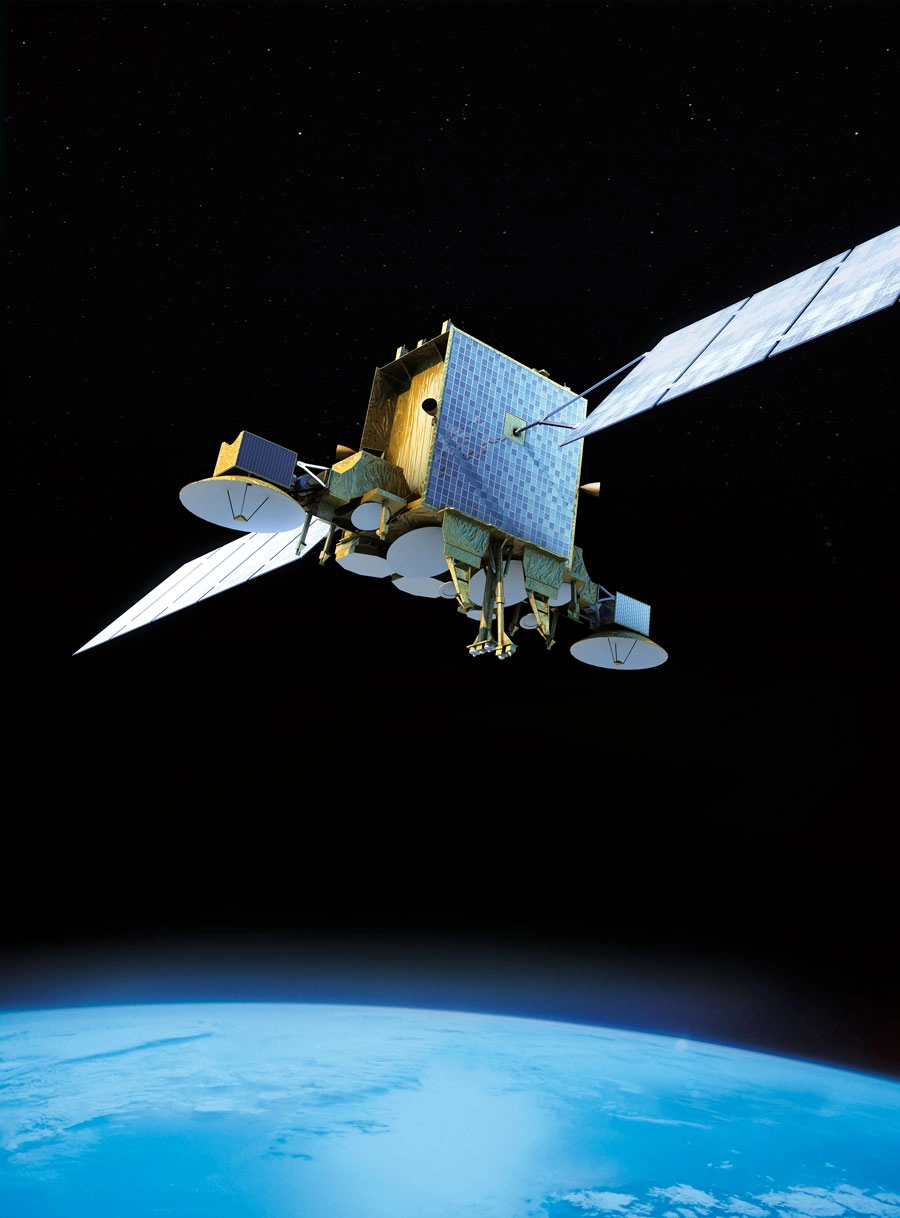
3. Nilesat 7°W
Nilesat is a primary satellite for viewers in the Middle East and North Africa (MENA) region. Sport TV may be available through regional partnerships or specific channel packages.
-
Channel: Sport TV HD (Regional Feed)
-
Frequency: 11,938 MHz
-
Polarization: Horizontal (H)
-
Transmission Rate: 27,500 kS/s
-
FEC: 5/6
-
Encryption: Irdeto
-
Notes: This feed is tailored for Arabic-speaking audiences, with select sports content dubbed or subtitled.
-
4. Eutelsat 16°E
Eutelsat 16°E serves Central and Eastern Europe, including parts of the Balkans, where Sport TV has a growing audience.
-
Channel: Sport TV 1
-
Frequency: 11,262 MHz
-
Polarization: Horizontal (H)
-
Transmission Rate: 30,000 kS/s
-
FEC: 2/3
-
Encryption: Conax
-
Notes: This transponder delivers Sport TV’s flagship channel, focusing on major international sports.
-
5. Intelsat 10-02 at 1°W
Intelsat 10-02 serves Northern and Western Europe, offering Sport TV channels for Portuguese expatriates and sports fans.
-
Channel: Sport TV Multi
-
Frequency: 12,643 MHz
-
Polarization: Vertical (V)
-
Transmission Rate: 27,500 kS/s
-
FEC: 3/4
-
Encryption: Irdeto
-
Notes: Sport TV Multi aggregates content from multiple Sport TV channels, ideal for viewers seeking comprehensive coverage.
-
6. Other Satellites
Sport TV may also be available on less common satellites, such as Hispasat 30°W or Amos 4°W, depending on regional broadcasting agreements. For these satellites, viewers should consult local providers or satellite forums for up-to-date transponder details, as frequencies can change frequently.
How to Tune into Sport TV
To access Sport TV channels, follow these steps:
-
Align Your Satellite Dish: Ensure your dish is pointed at the correct satellite (e.g., Hotbird 13°E or Nilesat 7°W). Use a satellite finder tool for precise alignment.
-
Enter Frequency Details: Input the frequency, polarization, symbol rate, and FEC into your satellite receiver. Refer to the data above for specific settings.
-
Scan for Channels: Perform an automatic or manual scan on your receiver to locate Sport TV channels.
-
Subscribe to the Service: Most Sport TV channels are encrypted, requiring a subscription and a compatible Conditional Access Module (CAM) or smart card.
-
Verify Signal Strength: Ensure the signal strength and quality are sufficient for stable reception.
Challenges and Considerations
-
Encryption: Sport TV channels often use advanced encryption systems like Conax or Irdeto, requiring viewers to subscribe through authorized providers.
-
Regional Restrictions: Some feeds are geo-restricted, meaning they are only available in specific countries or regions.
-
Frequency Changes: Satellite frequencies can change due to transponder updates or broadcasting agreements. Regularly check resources like LyngSat or FlySat for the latest information.
-
Equipment Compatibility: Ensure your satellite receiver supports the required encryption and HD broadcasts for optimal viewing.
Tips for Optimal Viewing
-
Use a Larger Dish: For satellites like Nilesat in fringe regions, a larger dish (e.g., 90 cm or more) improves signal reception.
-
Refresh Receiver Firmware: Keep your satellite receiver updated to handle modern encryption systems and HD signals.
-
Consult Local Providers: In regions like the MENA region, local providers may bundle Sport TV with other sports channels, simplifying access.
-
Check Online Communities: Forums like SatUniverse or social media platforms like X can provide real-time updates on frequency changes.
Conclusion
Sport TV remains a top choice for sports enthusiasts, offering extensive coverage of global and regional sports events. By tuning into the correct satellite frequencies, viewers can enjoy high-quality broadcasts from the comfort of their homes. Whether you’re in Europe, the Middle East, or beyond, the frequency details provided in this article—covering satellites like Hotbird, Astra, Nilesat, and others—will help you access Sport TV seamlessly. Always verify settings with your satellite provider and stay updated on frequency changes to ensure uninterrupted viewing.
For the latest frequency updates, consider visiting trusted satellite tracking websites or contacting Sport TV’s official support channels. With the right setup, you’ll never miss a moment of your favorite sports action.
Knowing technical details, including symbol rates and polarization, helps maximize signal strength and prevents channels from dropping.
Step-by-step setup instructions guide users through installation and tuning, making the process easy for both beginners and experienced viewers.
Regularly checking new channels or updates to broadcast parameters guarantees uninterrupted access at all times.
Troubleshooting tips provide quick fixes for weak signals, interference, or misalignment, resolving common reception issues efficiently.
Organizing and maintaining accurate frequency data saves time and reduces complications during receiver setup.
By combining reliable information, clear guidance, and practical troubleshooting, viewers can enjoy seamless and uninterrupted satellite viewing.
This comprehensive approach ensures every broadcast remains stable, accessible, and enjoyable across all satellites.
Understanding technical parameters, including symbol rates, polarizations, and orbital positions, allows accurate tuning and optimal reception.
Step-by-step installation instructions simplify the setup process for beginners and experts alike, reducing the chance of errors.
Monitoring updates and newly launched channels keeps your receiver aligned with all current broadcasts, preventing disruptions.
Troubleshooting guidance helps resolve weak signals, interference, and temporary reception issues efficiently.
Regular maintenance of your dish and receiver improves signal stability and reduces interruptions during broadcasts.
Organized frequency data and clear installation steps create it easy to manage multiple channels without confusion.
Combining accurate data with practical solutions ensures that every setup is smooth and reliable.
Following these strategies allows viewers to enjoy uninterrupted access to their favorite programs at any time.
A consistent approach to updates and tuning guarantees high-quality reception across all satellites.
Ultimately, these practices deliver a seamless, enjoyable, and stress-free viewing experience for all satellite enthusiasts.