Frequency of Polsat Sport 2 Channel on All Satellites

Understanding key technical parameters, such as symbol rates, polarization, and orbital positions, allows for accurate tuning and optimal reception.
Step-by-step setup instructions create installation straightforward for both beginners and experienced users, while minimizing mistakes.
Regularly tracking channel updates and newly launched broadcasts keeps your receiver synchronized with all current frequencies.
Troubleshooting guidance provides quick solutions for common problems like weak signals, interference, or temporary disruptions.
Proper maintenance of your dish and receiver helps maintain stable signals, reducing the chances of interruptions during viewing.
Organizing frequency information and setup procedures makes managing your receiver easier, without wasting time searching for scattered data.
Following these detailed practices ensures smooth, consistent, and high-quality viewing across multiple satellites.
With all these factors combined, enjoying your favorite channels becomes simple, reliable, and stress-free.
In this guide, you’ll find the newest frequency details for the spotlighted channel on all major satellites, along with clear, step-by-step directions to install it on your receiver.
We’ve also added effective solutions for common signal and reception problems, helping you enjoy stable and uninterrupted viewing with ease.
This article presents the latest parameters for the featured channel and offers simple, step-by-step guidance for setting up your receiver, as well as solutions for minor issues that could affect signal quality.
Step-by-step setup instructions allow users to configure their receivers properly, avoiding interruptions when new or updated channels are added.
Technical information, including transponder lists, symbol rates, and polarization settings, helps viewers achieve stable and clear reception.
Troubleshooting tips address common issues such as weak signals, interference, or temporary outages, reducing disruptions during viewing.
With precise data and structured guidance, users can navigate the satellite environment with confidence and ease.
Combining these practices ensures a smooth, dependable, and enjoyable satellite viewing experience across all channels.
You will also discover helpful troubleshooting guidance to resolve any signal difficulties, guaranteeing smooth and continuous viewing at all times.
Sports fans across Europe, especially in Poland, rely heavily on Polsat Sport 2 for comprehensive sports coverage, live broadcasts, and in-depth commentary. As part of the Polsat TV network, this channel has become one of the most recognizable names in Polish sports broadcasting.
However, to enjoy clear and stable access to Polsat Sport 2, it’s essential to know the latest frequency of Polsat Sport 2 on all satellites. In this complete guide, we’ll explore the updated satellite parameters, receiver settings, broadcast details, and everything you need to keep Polsat Sport 2 working flawlessly on your device.
On the subject of Polsat Sport 2 Channel
Polsat Sport 2 was launched by Telewizja Polsat to expand the network’s sports coverage and deliver more live matches and event replays. It is one of the channels under the Polsat Sport family, alongside Polsat Sport 1, Polsat Sport Extra, and Polsat Sport Premium.
The channel broadcasts in high definition (HD) and features a wide array of sporting events, including:
-
UEFA club competitions
-
Polish Ekstraklasa and 1 Liga football
-
Volleyball and handball tournaments
-
MMA, boxing, and other combat sports
-
Tennis, cycling, and motorsports
This diversity creates Polsat Sport 2 one of the most versatile sports channels available in the region.
Importance of Having the Correct Frequency
Finding and maintaining the correct Polsat Sport 2 frequency is essential for uninterrupted viewing. If your receiver isn’t updated with the proper parameters, you may experience signal loss, pixelation, or complete channel disappearance.
Because satellite providers occasionally update transponders or change frequency allocations, staying informed helps ensure continuous, high-quality service.
Refreshd Frequency of Polsat Sport 2 on Hot Bird Satellite
The Hot Bird satellite (Eutelsat Hot Bird 13° East) is the main satellite broadcasting Polsat Sport 2 HD. It is the most widely used in Poland and much of Europe, offering a strong signal and wide coverage.
Here are the latest technical parameters for Polsat Sport 2:
-
Satellite: Eutelsat Hot Bird 13°E
-
Frequency: 11158 MHz
-
Polarization: Horizontal (H)
-
Transmission Rate: 27500 Ksps
-
FEC: 3/4
-
Standard: DVB-S2 / MPEG-4
-
Encryption: Nagra MA (available via Polsat Box subscription)
This transponder also carries other Polsat channels, including Polsat Sport 1 HD, Polsat News, and Polsat Extra, allowing users to access multiple channels from a single scan.
Other Satellites That May Carry Polsat Sport 2
Although Hot Bird 13°E is the primary satellite, some alternative satellites occasionally rebroadcast Polsat Sport 2 for regional viewers or partner networks. Below are examples of satellites that may carry the signal (subject to availability and licensing):
1. Astra 19.2° East
-
Frequency: 12090 MHz
-
Polarization: Horizontal (H)
-
Transmission Rate: 29700 Ksps
-
FEC: 2/3
-
Standard: DVB-S2
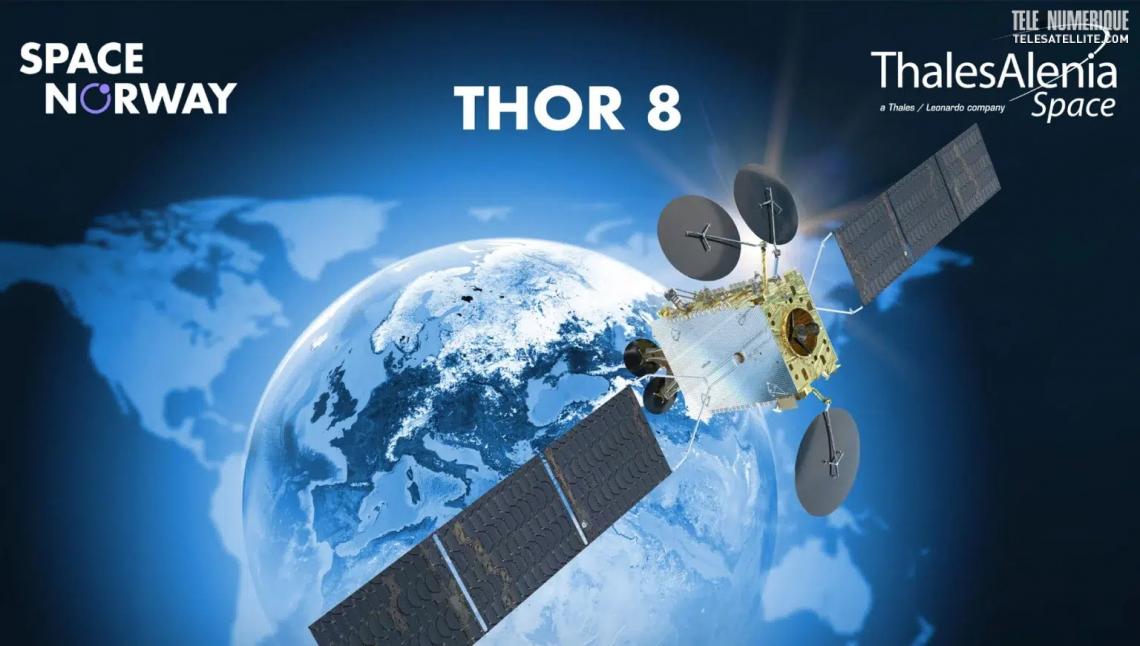
2. Thor 0.8° West
-
Frequency: 12303 MHz
-
Polarization: Vertical (V)
-
Transmission Rate: 28000 Ksps
-
FEC: 7/8
-
Standard: DVB-S2
These broadcasts are often part of affiliate or partner packages, so availability may vary by region. If you live outside Poland, use your receiver’s auto-scan feature or manually enter the parameters to check for updates.
How to Add or Refresh Polsat Sport 2 Frequency on Your Receiver
If Polsat Sport 2 doesn’t appear on your channel list, you can manually tune it using the following steps:
-
Press the Menu button on your satellite receiver remote.
-
Go to Installation or Setup.
-
Select Manual Signal Carrier Search or Manual Scan.
-
Enter the following parameters:
-
Frequency: 11158
-
Polarization: Horizontal
-
Transmission Rate: 27500
-
FEC: 3/4
-
-
Choose Search or Scan.
-
Save the results when the channel appears.
After scanning, you should see Polsat Sport 2 HD among the available Polsat network channels.
Polsat Sport 2 HD – Broadcast Quality and Features
Polsat Sport 2 HD delivers sports content in high-definition, ensuring smooth and vivid viewing. It’s known for its reliable transmission and professional coverage of both local and international tournaments.
Key broadcast features include:
-
1080i HD resolution for high-quality visuals
-
Dolby Digital audio for rich sound
-
Low-latency transmission for live matches
-
Enhanced color depth for better motion capture
These features create Polsat Sport 2 HD perfect for watching fast-paced sports like football, basketball, and motorsports.
Subscription and Access Options
Since Polsat Sport 2 is a pay-TV channel, it’s not available as a free-to-air service. However, there are several legitimate ways to access it:
1. Polsat Box (formerly Cyfrowy Polsat)
Subscribers can access Polsat Sport 2 as part of the Polsat Box sports package. The subscription includes multiple HD channels, on-demand options, and access to Polsat Box Go streaming.
2. IPTV Providers
Many IPTV and cable operators in Poland and Europe include Polsat Sport 2 in their channel bundles. It’s accessible through digital TV set-top boxes or mobile apps.
3. Polsat Box Go App
This platform allows users to stream Polsat Sport 2 live from anywhere with an internet connection. Subscriptions are flexible, and users can watch across multiple devices such as smartphones, tablets, and smart TVs.
Troubleshooting Reception Problems
If you encounter issues with Polsat Sport 2 reception, try these solutions:
-
Check your dish alignment: Make sure your satellite dish is accurately positioned at 13° East for Hot Bird.
-
Refresh receiver software: Outdated firmware can cause reception errors.
-
Rescan transponders: Frequencies can change, so perform a manual or automatic scan.
-
Check subscription status: Ensure your Polsat Box smart card is active and valid.
-
Replace cables if required: Damaged coaxial cables can affect signal quality.
Following these steps usually restores normal operation and improves signal stability.
Polsat Sport 2 and Its Sister Channels
The Polsat Sport family includes several sister channels that specialize in different regions of sports broadcasting. These include:
-
Polsat Sport 1 HD – General sports and live events
-
Polsat Sport Extra HD – Exclusive match replays and highlights
-
Polsat Sport Fight HD – Combat sports like boxing and MMA
-
Polsat Sport News – 24-hour updates and sports analysis
-
Polsat Sport Premium 1 & 2 – UEFA Champions League and premium coverage
All these channels share similar quality standards and often appear on the same transponder.
Technical Overview – Quick Reference Table
Understanding technical details such as transponder lists, symbol rates, polarization, and orbital positions enables precise tuning and optimal signal reception.
Step-by-step instructions guide viewers through installation and setup, making the process accessible for all skill levels and minimizing errors.
Monitoring newly launched channels or frequency changes ensures your receiver stays current and aligned, maintaining uninterrupted access.
Troubleshooting guidance addresses issues like weak signals, misalignment, and temporary interference, offering quick and effective solutions.
Proper maintenance of your dish and receiver contributes to consistent signal strength and reliable reception across all channels.
Organizing all frequency information and installation steps saves time and reduces frustration when setting up new channels.
Combining accurate data, clear instructions, and troubleshooting ensures smooth, high-quality broadcasts every time.
With these practices, viewers can confidently explore satellite channels across multiple satellites without worrying about disruptions.
The result is a seamless, enjoyable, and worry-free viewing experience for everyone.
Understanding technical parameters, including symbol rates, polarizations, and orbital positions, allows accurate tuning and optimal reception.
Step-by-step installation instructions simplify the setup process for beginners and experts alike, reducing the chance of errors.
Monitoring updates and newly launched channels keeps your receiver aligned with all current broadcasts, preventing disruptions.
Troubleshooting guidance helps resolve weak signals, interference, and temporary reception issues efficiently.
Regular maintenance of your dish and receiver improves signal stability and reduces interruptions during broadcasts.
Organized frequency data and clear installation steps create it easy to manage multiple channels without confusion.
Combining accurate data with practical solutions ensures that every setup is smooth and reliable.
Following these strategies allows viewers to enjoy uninterrupted access to their favorite programs at any time.
A consistent approach to updates and tuning guarantees high-quality reception across all satellites.
Ultimately, these practices deliver a seamless, enjoyable, and stress-free viewing experience for all satellite enthusiasts.
Understanding technical details such as transponder lists, symbol rates, polarization, and orbital positions enables precise tuning and optimal signal reception.
Step-by-step instructions guide viewers through installation and setup, making the process accessible for all skill levels and minimizing errors.
Monitoring newly launched channels or frequency changes ensures your receiver stays current and aligned, maintaining uninterrupted access.
Troubleshooting guidance addresses issues like weak signals, misalignment, and temporary interference, offering quick and effective solutions.
Proper maintenance of your dish and receiver contributes to consistent signal strength and reliable reception across all channels.
Organizing all frequency information and installation steps saves time and reduces frustration when setting up new channels.
Combining accurate data, clear instructions, and troubleshooting ensures smooth, high-quality broadcasts every time.
With these practices, viewers can confidently explore satellite channels across multiple satellites without worrying about disruptions.
The result is a seamless, enjoyable, and worry-free viewing experience for everyone.