By following straightforward setup steps, you can effortlessly add new channels and enhance your receiver’s performance, preventing signal drops or alignment issues.
Additionally, having troubleshooting strategies at hand ensures that any minor disruptions can be corrected immediately, providing smooth and reliable viewing at all times.
You will also discover helpful troubleshooting guidance to resolve any signal difficulties, guaranteeing smooth and continuous viewing at all times.
In this guide, you’ll find the most recent settings for the highlighted channel and clear instructions on how to set up your receiver properly.
We also include helpful fixes for any reception or signal problems, allowing you to watch the channel smoothly without interruptions.
Step-by-step setup instructions allow users to configure their receivers properly, avoiding interruptions when new or updated channels are added.
Technical information, including transponder lists, symbol rates, and polarization settings, helps viewers achieve stable and clear reception.
Troubleshooting tips address common issues such as weak signals, interference, or temporary outages, reducing disruptions during viewing.
With precise data and structured guidance, users can navigate the satellite environment with confidence and ease.
Combining these practices ensures a smooth, dependable, and enjoyable satellite viewing experience across all channels.
With detailed tuning instructions and practical tips for configuring your receiver, even small reception problems can be addressed swiftly, ensuring consistent, high-quality broadcasts every time.
In this guide, you’ll find the most recent settings for the highlighted channel and clear instructions on how to set up your receiver properly.
We also include helpful fixes for any reception or signal problems, allowing you to watch the channel smoothly without interruptions.
ArabSat is one of the most prominent communication satellites in the Arab world, providing vital services across the Middle East, North Africa, and Europe. Since its launch in 1985, ArabSat has revolutionized satellite television, radio broadcasting, and telecommunications in the region.
With its strategic position in space, ArabSat has become an essential platform for delivering high-quality services to millions of viewers and businesses.
🚀 On the subject of ArabSat
ArabSat is owned by the Arab States Broadcasting Union (ASBU) and serves as a regional hub for satellite communications. It provides a wide range of services including:
-
Satellite TV and radio broadcasting
-
Telecommunications
-
Internet services
-
Corporate communications
ArabSat has been key in connecting countries across the Arab world and delivering content from both local and international broadcasters. The satellite is known for its reliability and vast coverage, offering seamless connectivity in urban and remote regions alike.
🌐 ArabSat’s Satellite Fleet
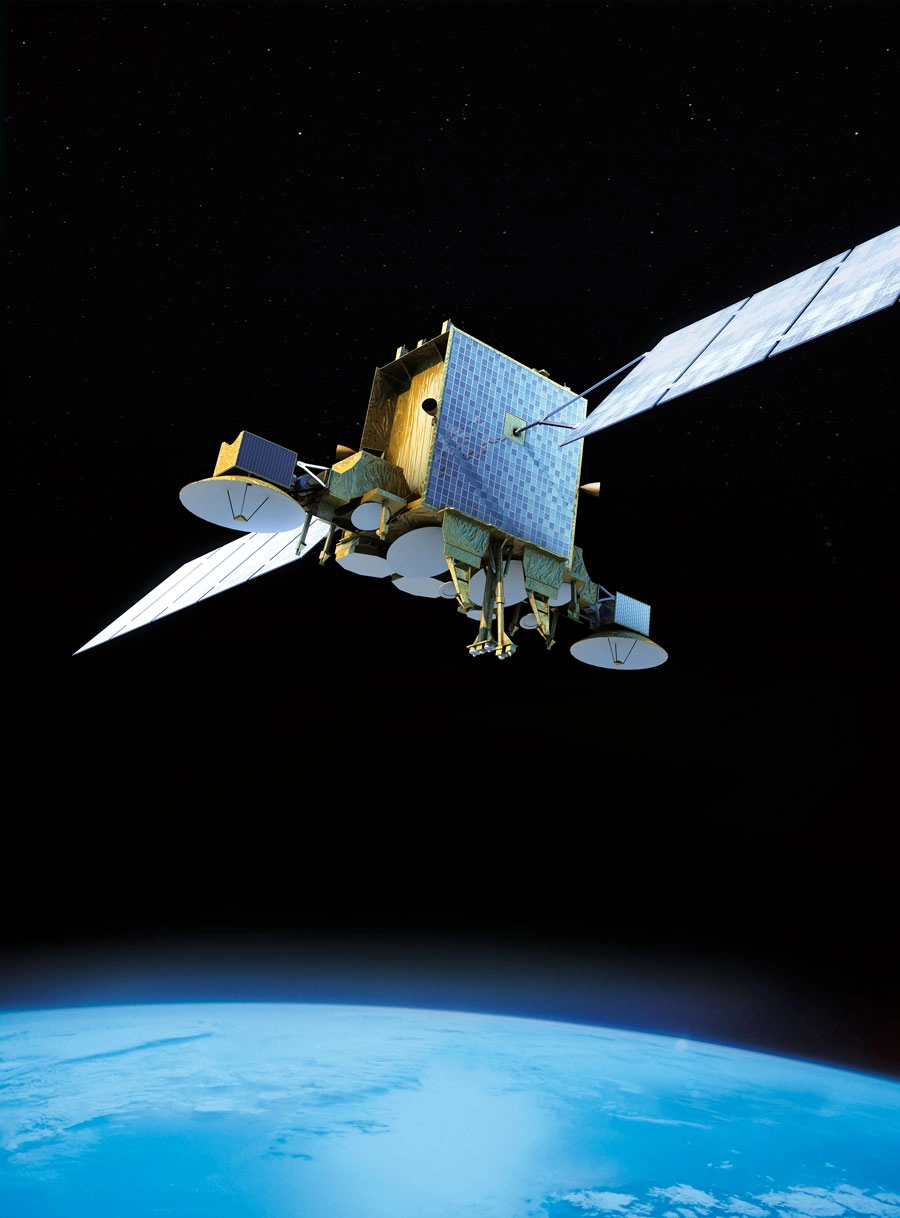
ArabSat operates a fleet of satellites positioned at various orbital slots. These satellites are strategically placed to ensure optimal coverage across the Middle East, North Africa, and parts of Europe. The fleet includes:
-
ArabSat 6A
-
ArabSat 5C
-
ArabSat 4B
-
ArabSat 4A
-
ArabSat 2 (and more)
Each satellite is equipped with high-powered transponders that enable broadcast services, including high-definition (HD) television, radio channels, and internet connectivity.
🛰️ Frequencies and Services on ArabSat
ArabSat offers a wide range of frequencies across different bands, including C-band, Ku-band, and Ka-band. These frequencies are used for:
-
TV and radio channels
-
Internet and data transmission
-
Private corporate communication networks
The specific frequencies used for different services can vary depending on the location of the user, and ArabSat offers detailed guidelines on how to access its channels and services through the appropriate frequencies.
For viewers and users who want to find the right frequencies for their satellite equipment, FreqSatellite is the perfect platform. FreqSatellite provides a detailed guide on ArabSat frequencies, helping users access satellite TV channels, radio stations, and communication services easily.
📡 How to Receive ArabSat Signals
To access ArabSat’s signals, users must have a satellite dish installed and properly aligned to the satellite’s position. The most common frequencies used for ArabSat TV and radio services include:
-
C-band: Typically used for long-range communication and high-quality television broadcasts.
-
Ku-band: Often used for regional TV broadcasting, offering high-definition channels.
-
Ka-band: Used for higher bandwidth services, including satellite internet.
By following the frequency guidelines available on FreqSatellite, users can ensure that their satellite systems are tuned to the correct frequencies to receive the best possible service.
ArabSat continues to play a pivotal role in the communication and broadcasting landscape of the Arab world. Its reliable services and wide coverage create it an indispensable tool for viewers, broadcasters, and businesses across the region. If you want to access ArabSat’s satellite channels or learn more On the subject of its frequencies, FreqSatellite is your go-to resource for all the information you need.
Understanding technical details such as transponder lists, symbol rates, polarization, and orbital positions enables precise tuning and optimal signal reception.
Step-by-step instructions guide viewers through installation and setup, making the process accessible for all skill levels and minimizing errors.
Monitoring newly launched channels or frequency changes ensures your receiver stays current and aligned, maintaining uninterrupted access.
Troubleshooting guidance addresses issues like weak signals, misalignment, and temporary interference, offering quick and effective solutions.
Proper maintenance of your dish and receiver contributes to consistent signal strength and reliable reception across all channels.
Organizing all frequency information and installation steps saves time and reduces frustration when setting up new channels.
Combining accurate data, clear instructions, and troubleshooting ensures smooth, high-quality broadcasts every time.
With these practices, viewers can confidently explore satellite channels across multiple satellites without worrying about disruptions.
The result is a seamless, enjoyable, and worry-free viewing experience for everyone.
Knowing technical details, including symbol rates and polarization, helps maximize signal strength and prevents channels from dropping.
Step-by-step setup instructions guide users through installation and tuning, making the process easy for both beginners and experienced viewers.
Regularly checking new channels or updates to broadcast parameters guarantees uninterrupted access at all times.
Troubleshooting tips provide quick fixes for weak signals, interference, or misalignment, resolving common reception issues efficiently.
Organizing and maintaining accurate frequency data saves time and reduces complications during receiver setup.
By combining reliable information, clear guidance, and practical troubleshooting, viewers can enjoy seamless and uninterrupted satellite viewing.
This comprehensive approach ensures every broadcast remains stable, accessible, and enjoyable across all satellites.